

The Future of Digital Payments
Nigeria is experiencing a rapid transformation in the way people send, receive, spend and manage money. Smartphones, digital wallets, mobile banking and electronic payment systems are changing everyday financial activities and creating new opportunities for individuals and businesses.
The future of payments is increasingly digital, convenient and connected.
A Growing Digital Economy
As more Nigerians use smartphones and internet-enabled services, digital payments are becoming an increasingly important part of everyday life.
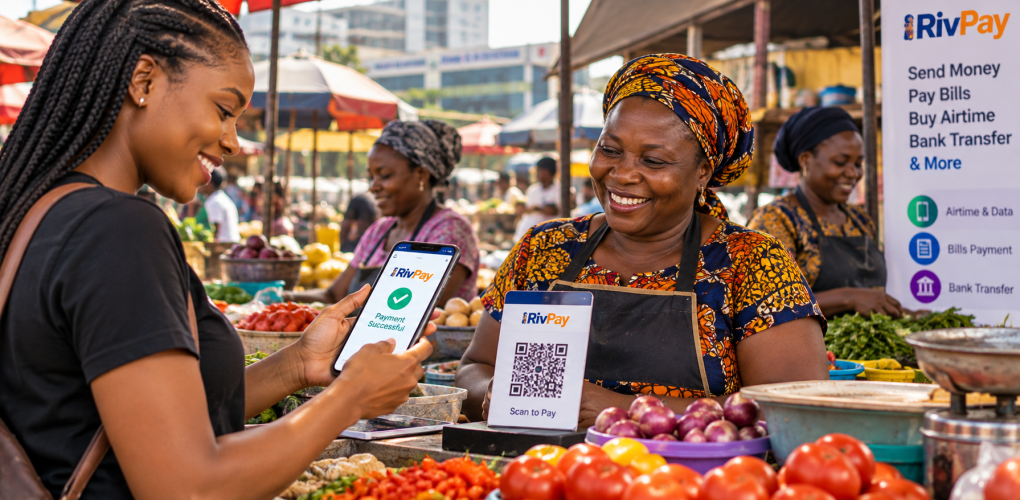
People can now transfer money, pay bills, purchase airtime, shop online and access financial services without relying entirely on cash.
This transition is creating a more connected financial ecosystem.
Convenience Is Driving Adoption
One of the biggest advantages of digital payments is convenience.
Users can initiate transactions from their phones without necessarily visiting a bank branch or payment centre. This saves time and makes financial services more accessible.
Platforms such as RivPay are designed to bring several everyday payment services together, giving users a convenient digital experience.
Opportunities for Businesses
Digital payments are also changing the way businesses operate.
Small businesses, retailers, service providers and online entrepreneurs can accept digital payments and manage transactions more efficiently.
As more consumers become comfortable with digital transactions, businesses that provide convenient payment options can better serve their customers.
A More Connected Financial Future
The future of digital payments in Nigeria will likely involve greater integration between financial platforms, businesses and consumers.
Digital wallets, instant payments, mobile applications, QR payments and other technologies will continue to influence how people interact with money.
RivPay is positioned to be part of this digital transformation by providing practical financial services through one convenient platform.
Latest Blog
Mobile Money and the Future of Financial Inclusion
08 Oct, 2026
Smart Ways to Manage Your Money with RivPay
08 Oct, 2026
How to Make Your Everyday Payments Faster and Easier
08 Oct, 2026